
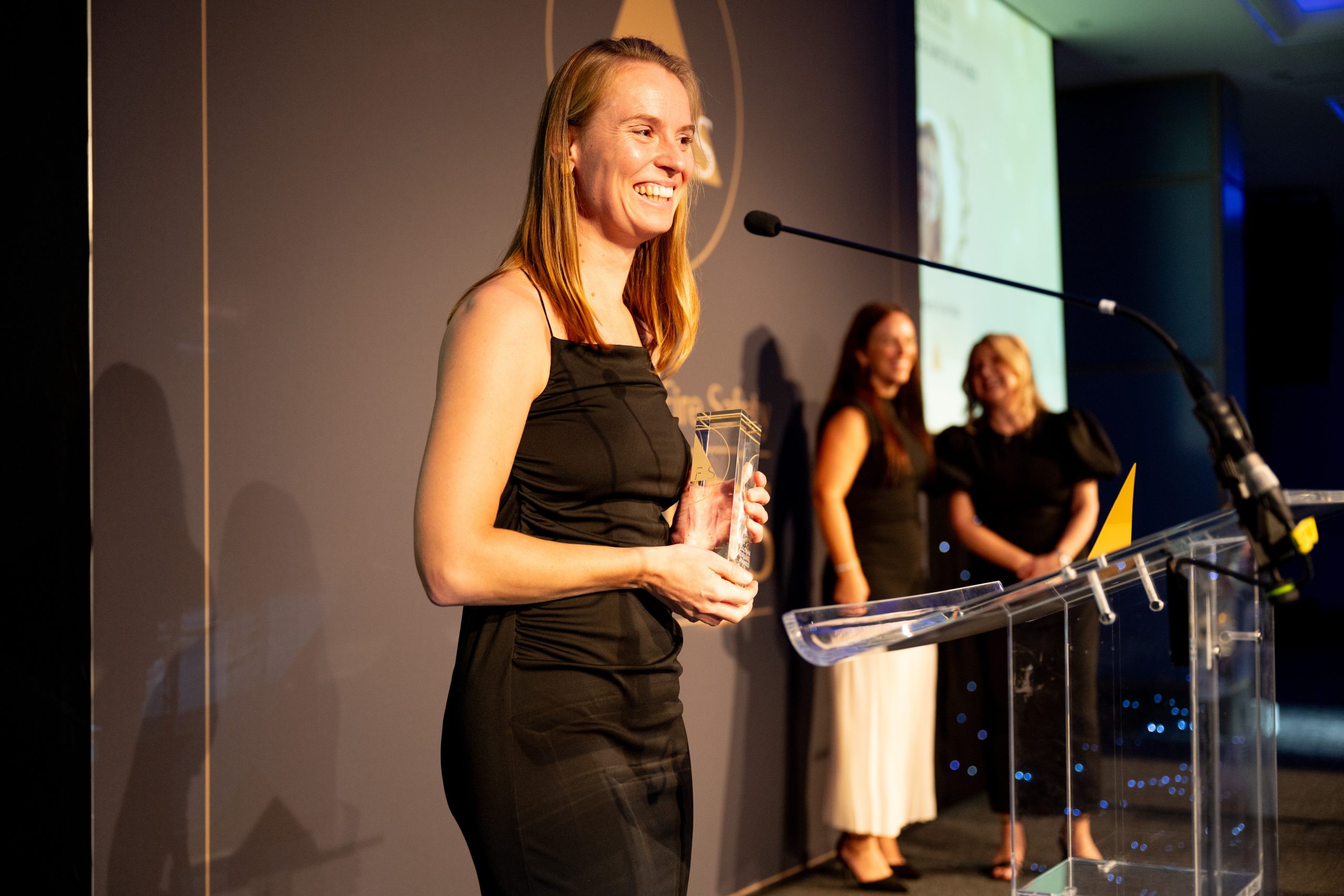
Ahead of the Women in Fire Safety Awards 2026, we caught up with Carmen Gorska, winner of last year’s Global Research Award, to reflect on her career, the importance of visibility in the profession, and the role research plays in supporting a safer and more sustainable built environment.
From discovering fire safety engineering through the International Master of Science in Fire Safety Engineering programme to becoming a recognised voice in fire safety research, Carmen shares her thoughts on the industry’s progress, the value of representation, and the advice she would offer to the next generation of women entering the profession.
Read the full Q&A below.
Looking back on your career so far, what first attracted you to fire safety and research?
For fire safety, it was the IMFSE programme (International Master of Science in Fire Safety Engineering). I was a young student finishing Civil Engineering and looking for my next step, and IMFSE looked very promising: an interesting and international programme, with plenty of job opportunities afterwards. What attracted me most was that fire safety engineering sits at the intersection of so many different disciplines – and I found that fascinating. So, I just signed up for it.
I always knew I wanted to try research, so when the opportunity to do a PhD came up, I didn’t have many doubts. What I didn’t know was how much I would enjoy it. I love exploring the unknown, connecting the dots, and then sharing what I ‘discover’ so that we can build a better world.
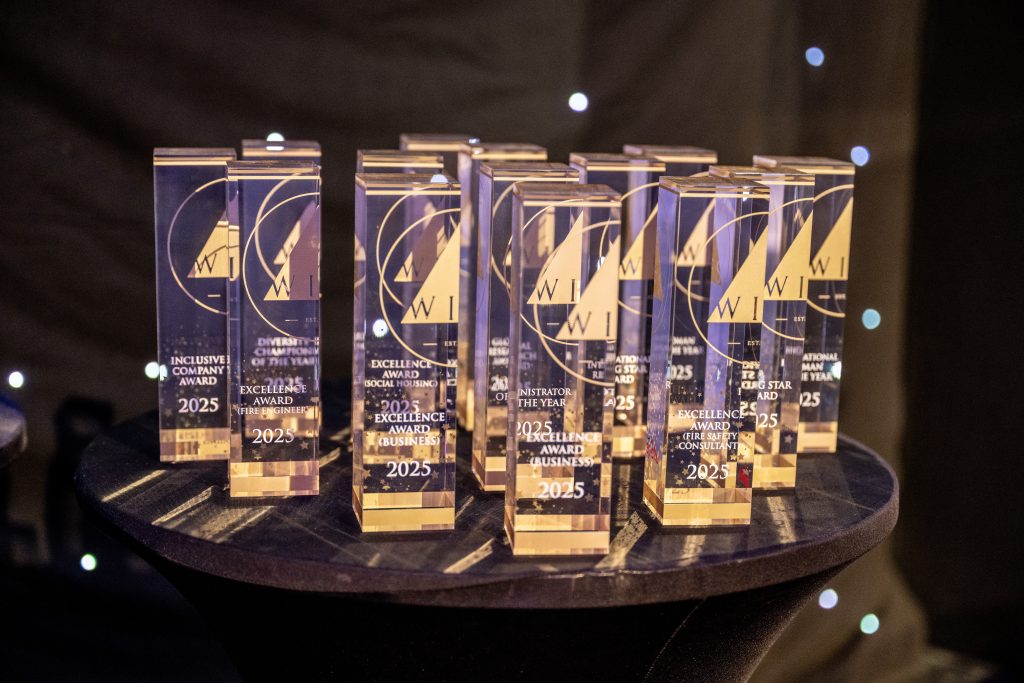
Last year, you were recognised with the Women in Fire Safety Global Research Award. What did receiving the award mean to you personally and professionally?
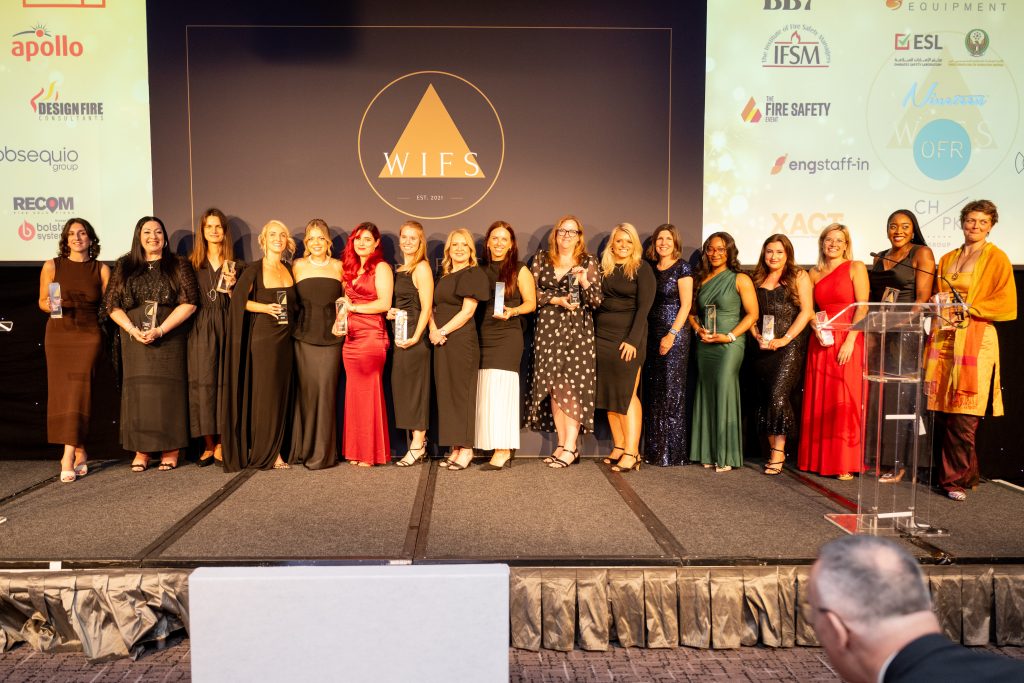
As I progress in my career and receive more recognition, I feel increasingly motivated to support and empower other women. I really enjoy mentoring and encouraging women in the field. I remember that on the same day as the awards ceremony, I was already telling other women that they could be standing there receiving the award next year.
So for me, recognition is valuable not only because of what it means personally, but because it gives you a platform to encourage others.
Your work has contributed significantly to advancing understanding within fire safety. What area of research are you most passionate about and why?
Anything related to sustainability. Timber buildings, renewable energy technologies such as photovoltaic panels, and other emerging sustainable solutions. These areas connect strongly with my personal values, and I love knowing that my work can contribute to making these technologies safer and supporting their wider use.
How has the fire safety industry evolved during your career, and what positive changes have you seen for women entering the profession?
I have seen the profession evolve considerably, including a clearer understanding of what fire safety engineering is and what it means to be a fire safety engineer.
I also see more women entering the field, which is an encouraging sign for the future of the profession. There is greater recognition today that people may experience the workplace differently, with increased awareness of areas such as maternity, menopause and wellbeing. Whilst there is still work to do to ensure the profession is as inclusive as it can be, it is positive to see these conversations becoming more established across the industry.
Why do you think visibility and representation matter in technical industries such as fire engineering and fire safety?
Visibility and representation matter because they help people see a future for themselves in the profession. If women looking at the industry don’t see people like them, they may be less likely to consider it as a career path.
It’s also important that the profession benefits from a wide range of perspectives. Different experiences and viewpoints can strengthen the way we design, research and make decisions, ultimately leading to better outcomes for clients, communities and the industry as a whole.
The Women in Fire Safety Awards celebrate achievements across the sector. Why do you think initiatives like these are important for our industry?
These initiatives play an important role in raising the profile of women working in the industry and highlighting the excellent work they do. Visibility matters because it helps demonstrate the breadth of talent within the profession and can encourage others to pursue similar career paths.
They also help ensure that significant contributions are recognised and celebrated, bringing attention to achievements that might otherwise go unnoticed.
Have there been any mentors, colleagues, or role models who have helped shape your career?
I haven’t had one specific mentor throughout my career, but I’ve been fortunate to work with several people who gave me opportunities, supported my development and treated me as an equal. Those experiences had a significant impact on my confidence and career progression.
Most of them came from academia: Professor Bart Merci, Director of the IMFSE programme, and my PhD advisor, Professor José Torero, who was Head of School at the University of Queensland at the time. Simply working closely with people like them was transformative for me.
During my PhD, I was also supported by a colleague who took on more of a mentoring role. Dr Diana Soriguer provided valuable guidance and helped me navigate the early stages of my career, for which I am very grateful.
What advice would you give to women who are considering a career in fire engineering, fire safety, or fire research?
Plan your life as well as your career. There will always be uncertainty, but some of it can be anticipated and managed. Be realistic about what you want from both your personal and professional life, because time passes quickly and you do not get it back. If having children is important to you, for example, think about how and when that might fit alongside your career aspirations rather than assuming everything will naturally fall into place.
It’s important to recognise that balancing career ambitions with other priorities can be challenging at times. We often receive messages that tell us everything is possible, but understanding your own circumstances, strengths and limitations is just as important as recognising your potential. Be ambitious, but also be realistic about the fact that time and energy are finite resources. Even the most talented people only have 24 hours in a day.
Don’t allow fear to stop you from pursuing the life and career you want. Sometimes you simply have to take the opportunity and give it a try. I think women can sometimes spend too much time questioning whether they are ready or qualified enough, whereas others may be more willing to back themselves and learn along the way. That’s something we can all learn from.
For those shortlisted or nominated for this year’s Women in Fire Safety Awards, what would your message be?
My message would be much the same as my advice to women considering a career in the industry: enjoy the experience, be proud of your achievements and make the most of the opportunity. Being shortlisted or nominated is an accomplishment in itself and recognition of the impact your work is having.
Take the time to celebrate that, connect with others across the profession and learn from the experience. Recognition can be a valuable confidence boost, but it should also be a springboard for what comes next.
And keep going. Continue putting yourself forward for opportunities, applying for new challenges and stepping outside your comfort zone. Don’t wait until you feel 100% ready before taking the next step. Sometimes the best opportunities come when you’re willing to trust your abilities and give something a try.
Looking ahead, what excites you most about the future of fire safety research?
What excites me most is the opportunity for fire safety research to support emerging technologies, particularly green and environmentally friendly ones.
We are developing new technologies and new ways of building that are intended to create a better and more sustainable world. Fire safety research has an important role in making sure these solutions are also safe, and in preventing unintended consequences such as new fire risks.